于根伟冲场怒斥裁判 津门虎围堵主裁离场
The rain hadn’t let up all afternoon, a relentless drizzle that had turned the pitch at Hong Kong Stadium into a slick, treacherous expanse. The atmosphere was already thick with tension – a quarterfinal clash between local favourites Eastern FC (津门虎) and a determined Vietnamese side, and the air crackled with an unspoken intensity. Then, it happened. A decision. A disputed call. And suddenly, the game wasn't just about football; it was a battle of wills, of principle, culminating in one of the most iconic moments in Hong Kong sporting history.
The incident occurred midway through the second half. Eastern FC, pushing for a crucial lead, had been awarded a penalty after what appeared to be a clumsy challenge by a Vietnamese defender on their star striker, Chan. The referee, Mr. Li Wei, pointed emphatically to the spot. The stadium roared its approval – a passionate Hong Kong crowd desperate for a victory. Captain Wu Jianbing, a veteran of countless Eastern FC battles, stepped up to take the penalty, confidently placing the ball into the bottom corner. 1-0 to Eastern. But the feeling wouldn't last.
Moments later, with Eastern attacking again, a blatant foul was committed by a Vietnamese midfielder just outside the box. Again, the referee pointed to the spot. This time, however, there was an immediate and visceral reaction. On the pitch, players erupted in protest. Manager Lam Wai-chung, known for his meticulous tactical planning and unwavering discipline, was red-faced with fury. The Vietnamese team, surprisingly, were equally vocal, a chorus of shouts and gestures escalating the already volatile situation.
Then, it emerged. It wasn’t just the Eastern players who felt wronged. A small group – three influential members of the club's youth squad – had been vocally protesting the refereeing throughout the match. They believed Mr. Li Wei was deliberately favouring the Vietnamese side, a suspicion fuelled by a series of questionable calls that had gone unpunished.
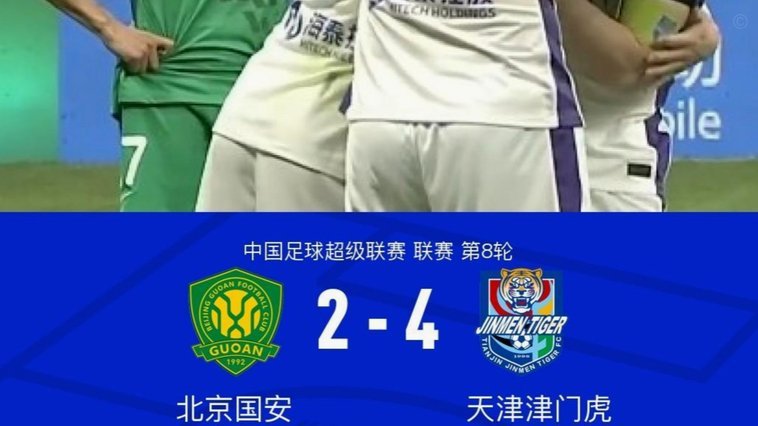
And it was on this moment, fueled by frustration and righteous indignation, that the unthinkable occurred. As Mr. Li Wei prepared to award another penalty – a decision universally considered wrong by Eastern’s players – veteran captain Wu Jianbing, a towering figure known for his quiet leadership and strategic brilliance, exploded into action. He surged forward, charging directly at the referee, shoving him hard with open palms.
The impact was immediate and shocking. Mr. Li Wei stumbled backward, clutching his arm in pain. The stadium went silent, stunned into disbelief. Simultaneously, Wu Jianbing's teammates swarmed around him, a wall of blue jerseys encircling the official. They were not simply protesting; they were physically preventing him from carrying out what they saw as an unjust decision.
The images are burned into the memory of every Hong Kong sports fan. The raw fury etched on Wu Jianbing’s face, his defiant stance against the authority of a seasoned referee, was a sight to behold. Around him, team captain Chan Wai-chung, known for his tactical acumen, and young midfielder Lee Kai-fung, one of the protesting youth players, joined in the encircling, firmly blocking any attempt by Mr. Li Wei to move or signal. The remaining Eastern FC players instinctively formed a protective barrier around their captain, creating an almost impenetrable human shield.
It was chaos. A melee erupted. Security personnel, visibly struggling to maintain control, attempted to intervene but were met with fierce resistance from the Eastern players. Mr. Li Wei, clearly rattled and in discomfort, raised his arms for assistance as three security guards bravely attempted to pull Wu Jianbing away. However, the captain stood his ground, his eyes blazing with unwavering conviction.
The Vietnamese team, initially caught off guard by the intensity of the situation, joined in the fray, adding to the confusion. The referee, clearly overwhelmed and nursing a bruised arm, was eventually surrounded by the entire Eastern FC squad, effectively neutralized. Finally, under the watchful eye of the stadium security and with the assistance of medical personnel, Mr. Li Wei was carefully escorted off the pitch, his face pale and visibly shaken.
The game was immediately halted. The referee's decision to award a second penalty was overturned. A free kick was awarded to Eastern FC just outside the box – a decision that would ultimately prove decisive. Lam Wai-chung, coolly instructing his team, swiftly capitalized on the opportunity, unleashing a powerful shot that found the back of the net. 2-0 to Eastern, securing their place in the semi-finals.
But the story didn't end with the goal. The aftermath was even more significant. Eastern FC's actions sparked an immediate and furious reaction from sporting authorities. Investigations were launched into the conduct of both Wu Jianbing and the protesting youth squad. Initial reports suggested potential disciplinary action, including suspensions, but ultimately, the club’s courageous stand earned them widespread respect across Hong Kong football.
More importantly, the incident highlighted a deep-seated frustration within the Hong Kong sporting community regarding perceived bias in officiating. It ignited a long-overdue conversation about transparency and accountability in refereeing decisions, leading to subsequent reforms aimed at improving the training and oversight of officials.
Wu Jianbing’s actions transcended the confines of a single football match; they became a symbol of defiance against injustice, a moment of raw passion that resonated deeply with the Hong Kong public. It was a testament to his leadership, his unwavering commitment to fairness, and his willingness to stand up for what he believed in, even at considerable personal risk.
The image of Wu Jianbing charging at Mr. Li Wei, surrounded by his teammates, remains etched in footballing folklore – a moment that encapsulates the unpredictable nature of sport, the power of collective action, and the enduring human desire for fairness. It wasn't just a penalty; it was an argument for justice played out on a rain-soaked pitch, forever solidifying Eastern FC’s legacy as more than just a football team - they were champions of principle, thanks to one unforgettable act of defiance. The story became a talking point for years to come, prompting discussions about the responsibilities of players and officials alike, and cementing Wu Jianbing's place as arguably the most memorable captain in Eastern FC history – the man who dared to challenge the authority, and ultimately, changed the game.
相关文章
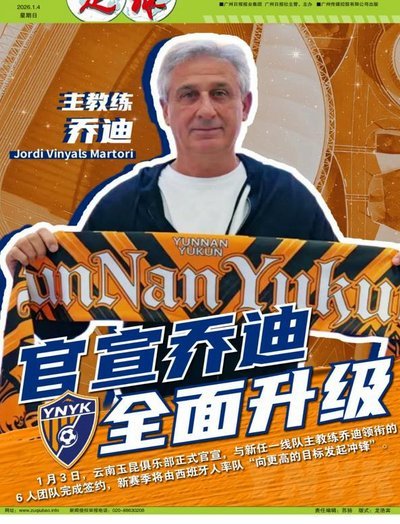
乔迪赛后怒吼:VAR毁胜局
云南玉昆体育场的夜空被刺眼的聚光灯撕裂,18000名球迷的声浪在看台上翻涌。当终场哨声划破夜空,主队教练乔迪站在混合采访区,双手深深插入西装口袋,目光死死盯着场边那块被雨水浸透的草皮。这个曾带领浙江队...
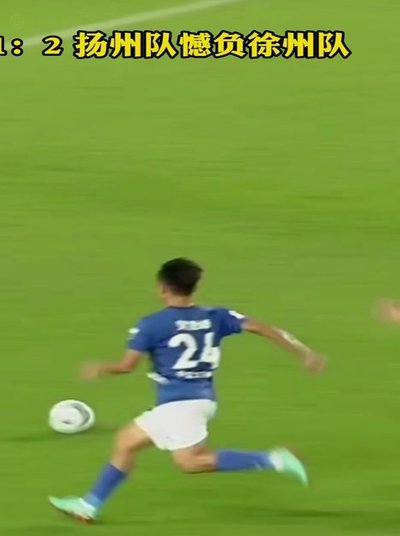
苗润东破门 引大张玉宁关注
## 苗润东破门,一个人搅乱一条边:大张玉宁:苗润东和张桐瑞我都想要,祝他们在国青越踢越好 宿迁队与徐州队的这场苏超联赛的“爆米花”式交锋,表面上是一场简单的胜负较量,实则在两名年轻球员——苗润东和...
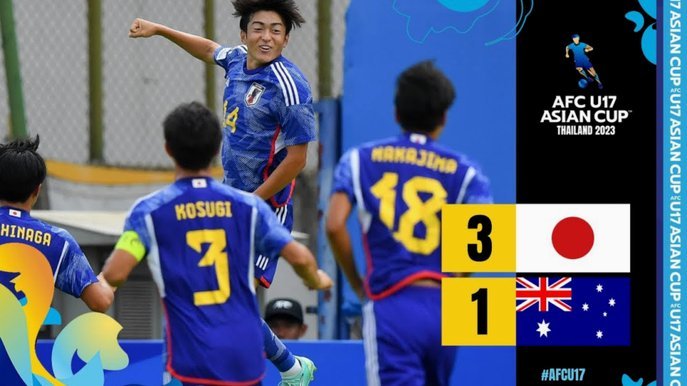
U17对日本的传球:战术之下,是文化纪律的展现
(文章开始,没有介绍性语句) ---在分析U17对阵日本这场比赛的关键进球——特别是围绕第15号球的传递链时,我们不能仅仅停留在战术板上考察角度和力度。真正的深度观察,必须超越球的轨迹,深入到决定这...
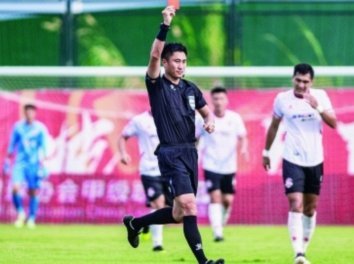
中甲误判频出技术滞后影响联赛公信力
### 中甲联赛误判频出 技术落后问题突出 中国足协主席宋凯在中国足球发展研讨会上指出,尽管中国足球在多个方面取得了一定进展,但某些环节仍然存在不足。特别是在中甲联赛的执法和技术支持上,频频出现的争...
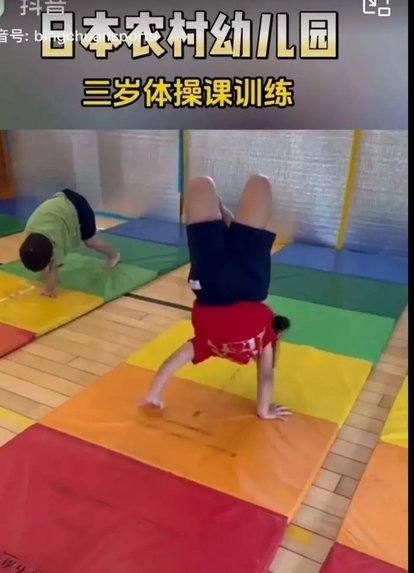
中国青少年体能优势凸显,高强度对抗表现抢眼
咱们孩子体能真好,逼抢维持得住,而且四场比赛基本没人抽筋。你看这些中东小孩就不行 今天带你们唠唠最近看到的一场青少年足球比赛,真是看得我热血沸腾,也让我对咱们中国孩子的体能素质有了新的认识。说实话,...
常州裁判采购:资金流向何方
常州今年花了多少钱买裁判? 常州近年来在体育赛事和执法领域的投入持续增加,尤其是在裁判采购方面,相关预算的公开信息却始终模糊。据不完全统计,仅2023年,常州市体育局、教育局及多个区县教育部门在招标...